Madagascar is not only about wildlife. It is also a country of warm people, rich traditions and a fascinating history, with a culture that has been shaped over centuries.
At Dodi’s Lemur Tours, we organise private cultural tours built around your curiosity, your pace and your dates. With local guides at your side, you meet the island through the people who live here.
A Living Culture Shaped by Many Peoples
Madagascar is home to around eighteen ethnic groups, each with its own customs, dialect and way of life, yet all sharing one language: Malagasy. The island was settled over centuries by seafarers from Southeast Asia and from Africa, and this mix still shows in the language, the food, the music and the beliefs.
Travelling here means moving from one cultural landscape to another, often within a single journey.
Cultural Experiences in Madagascar
Village Life and Local Communities
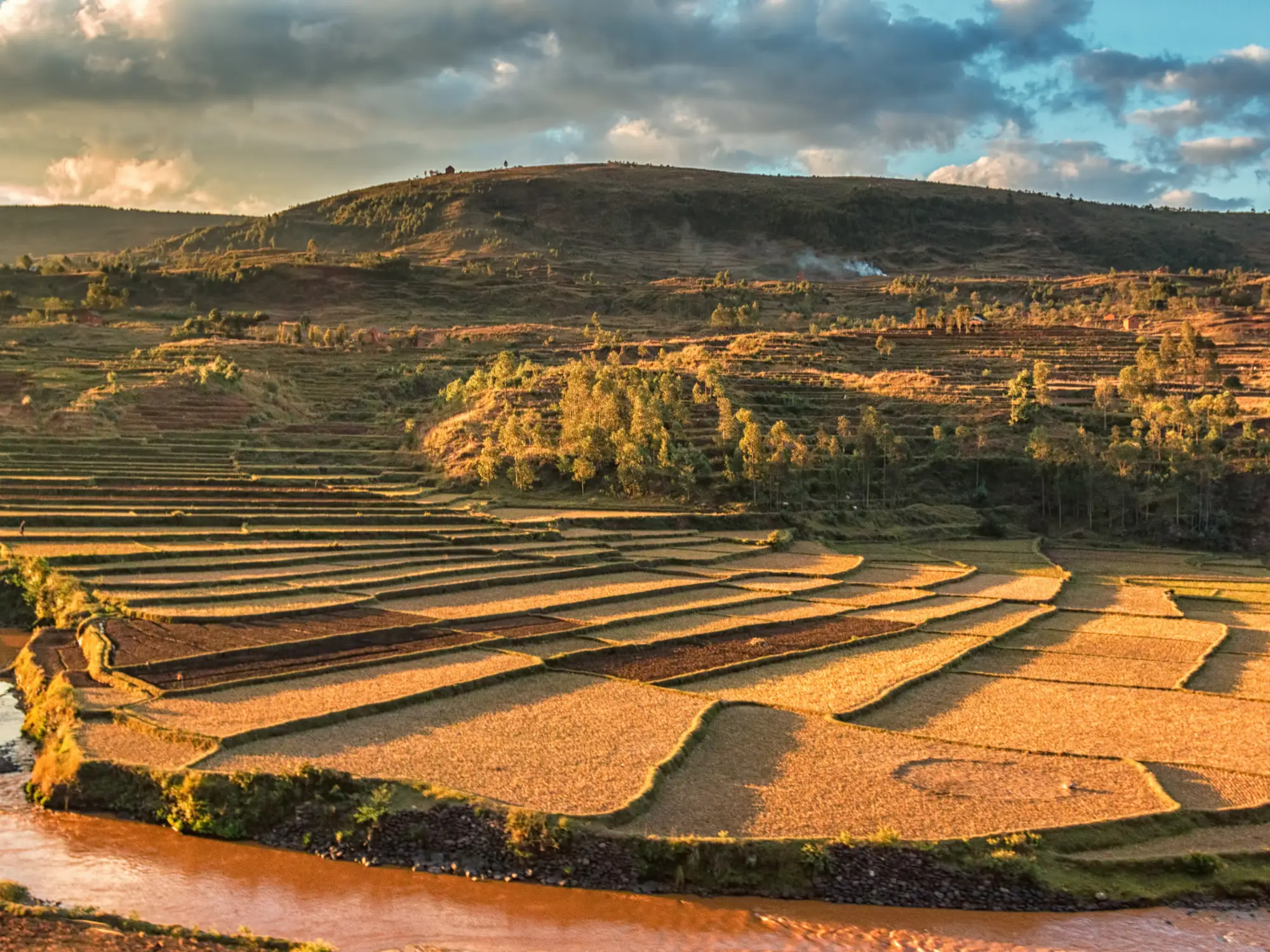
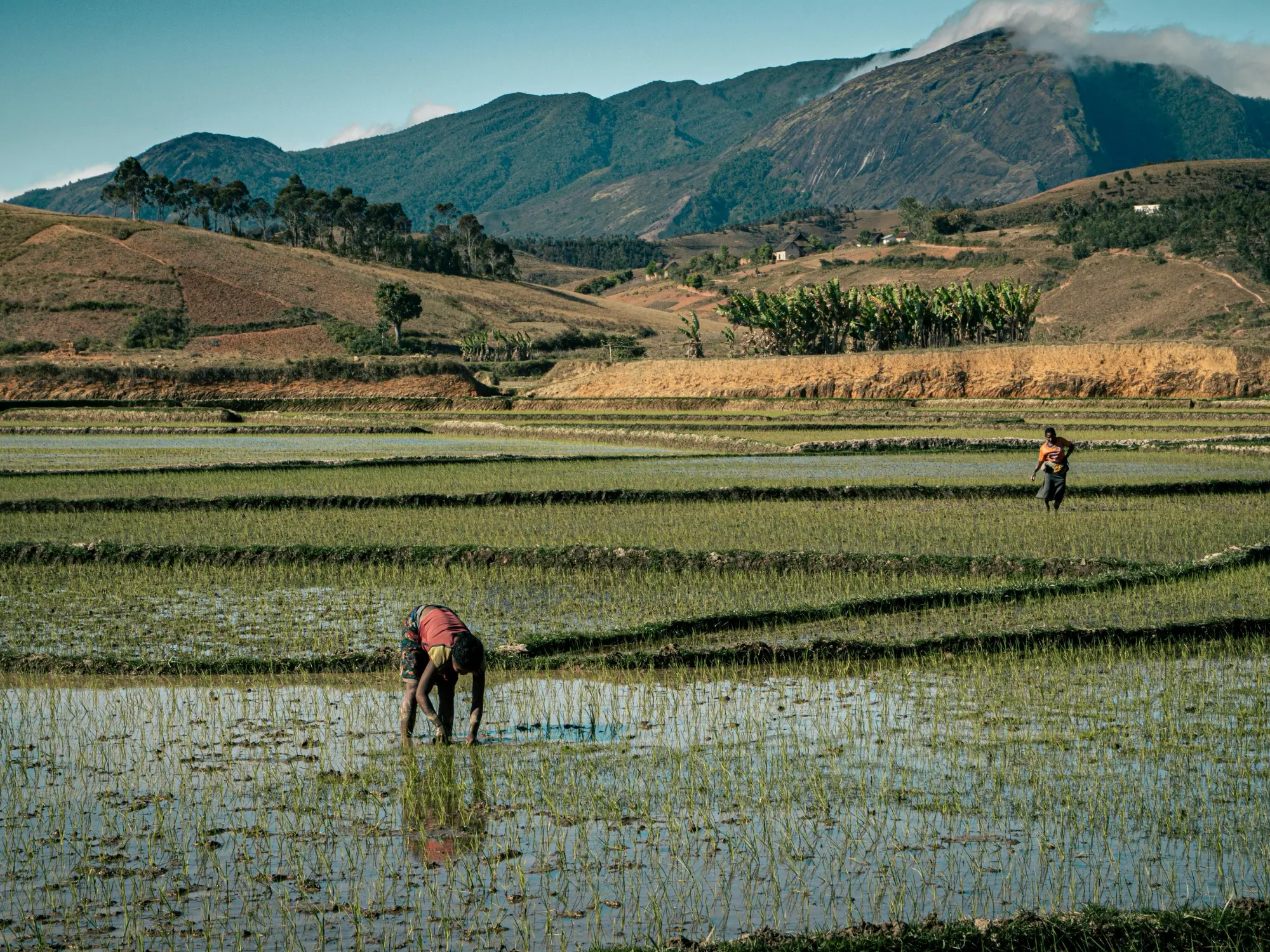
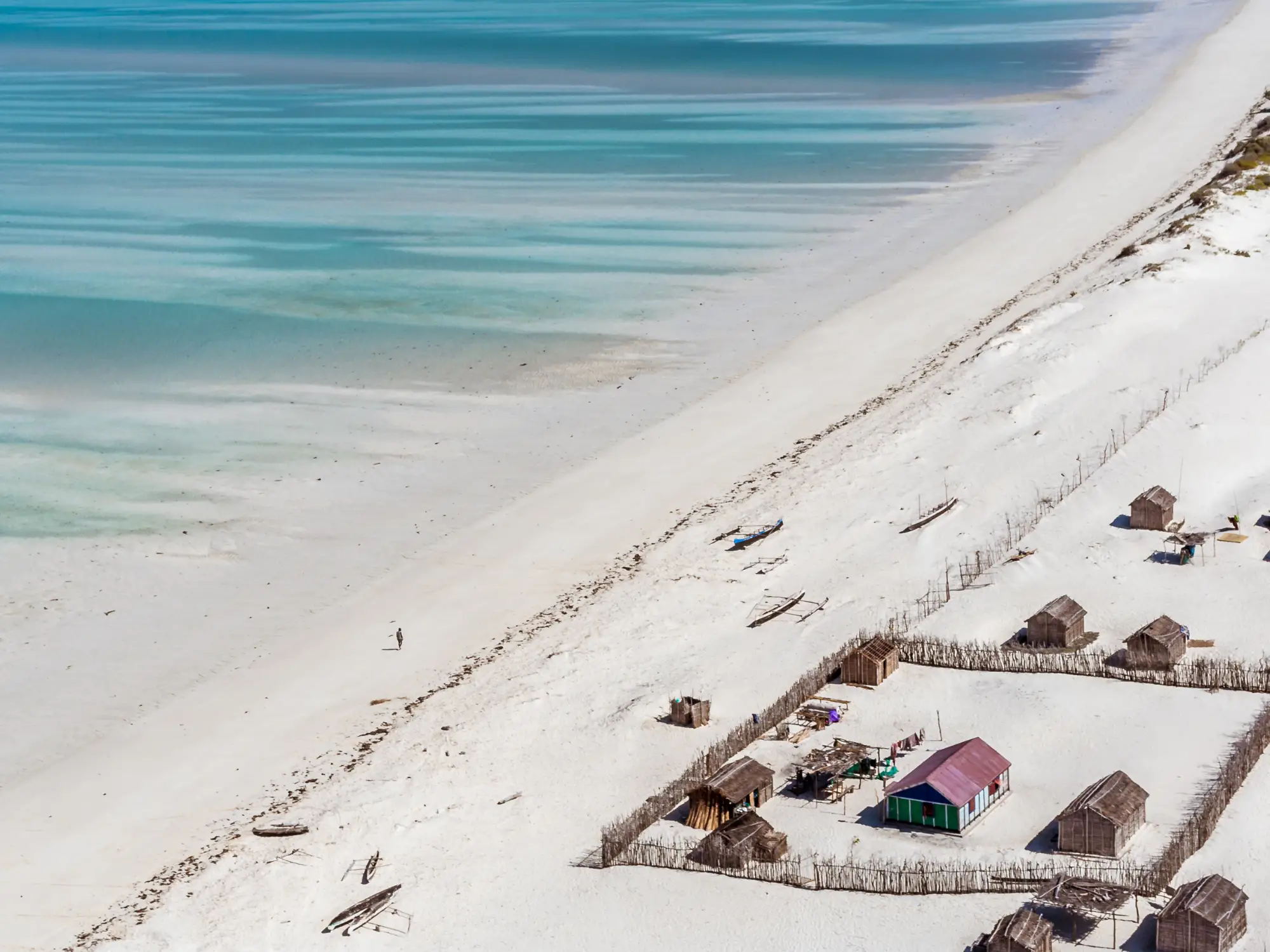
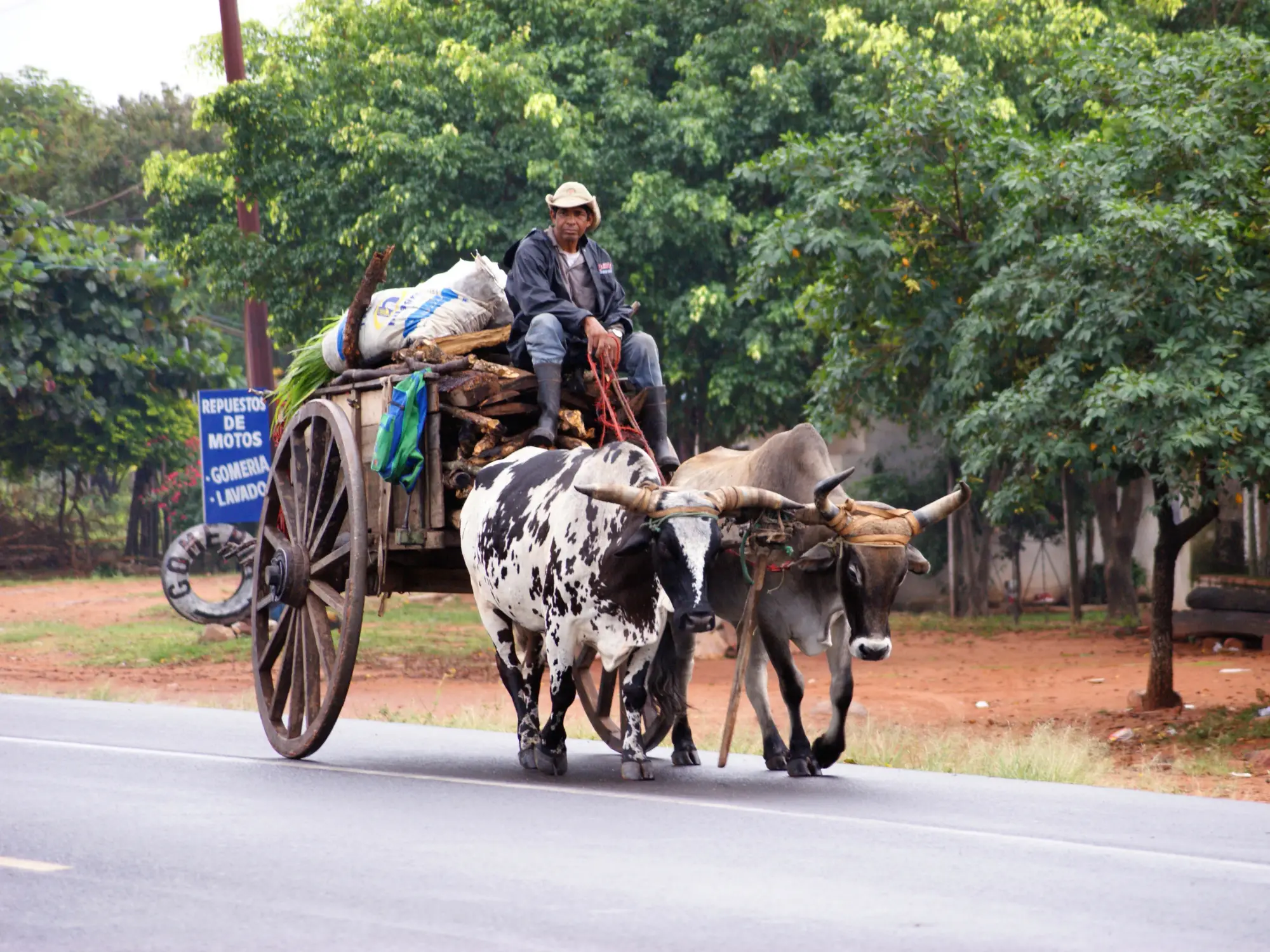
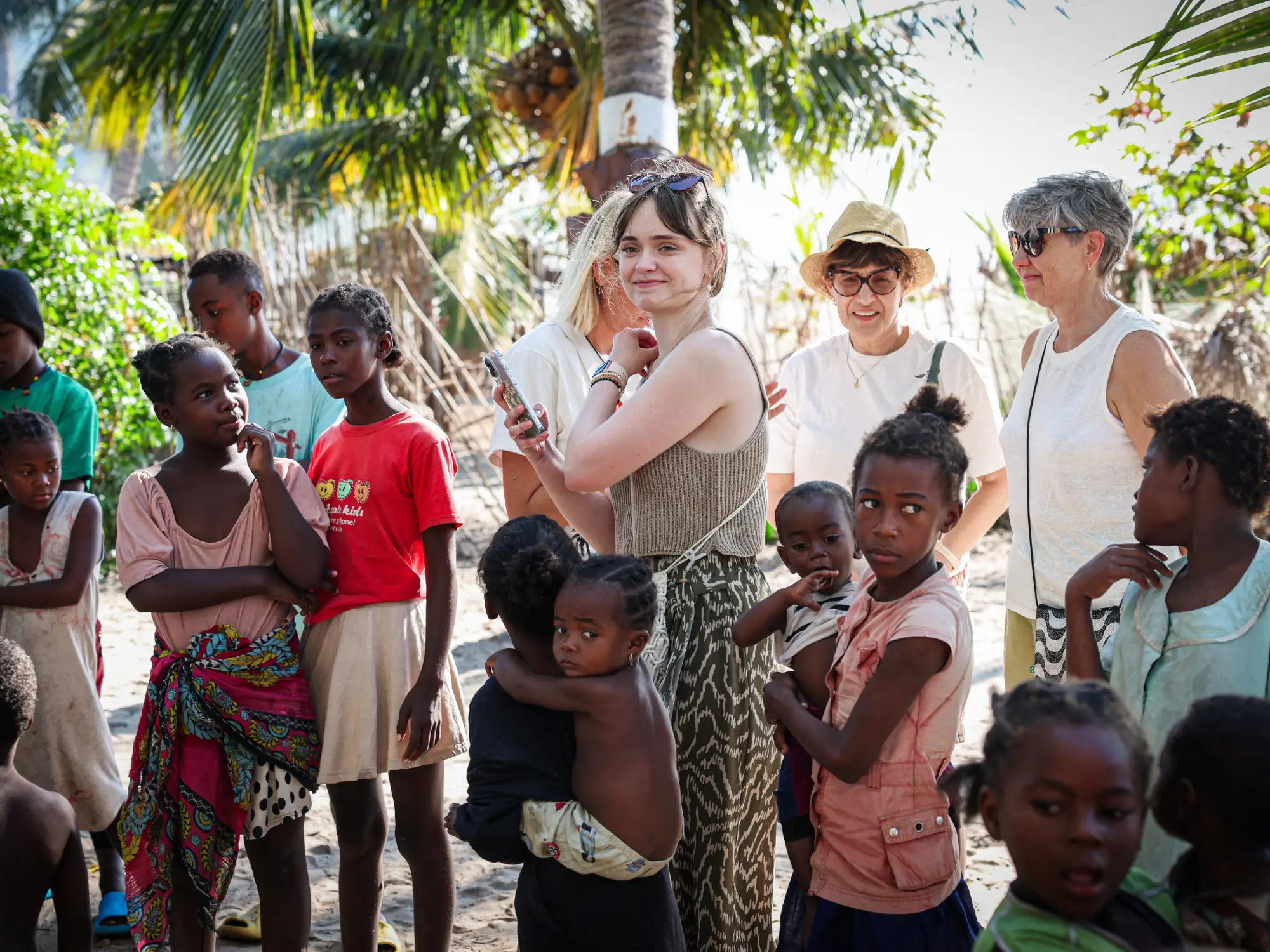
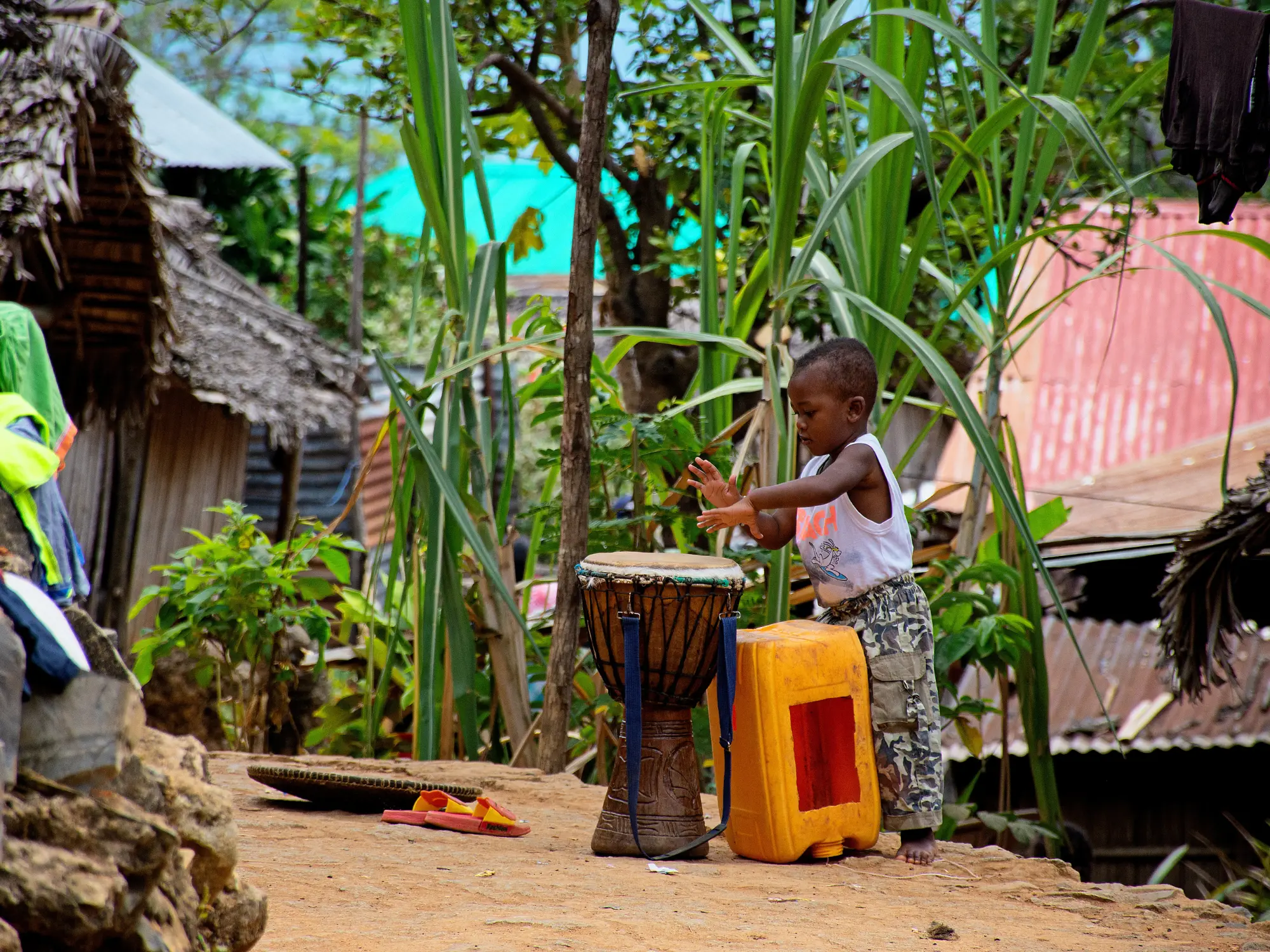
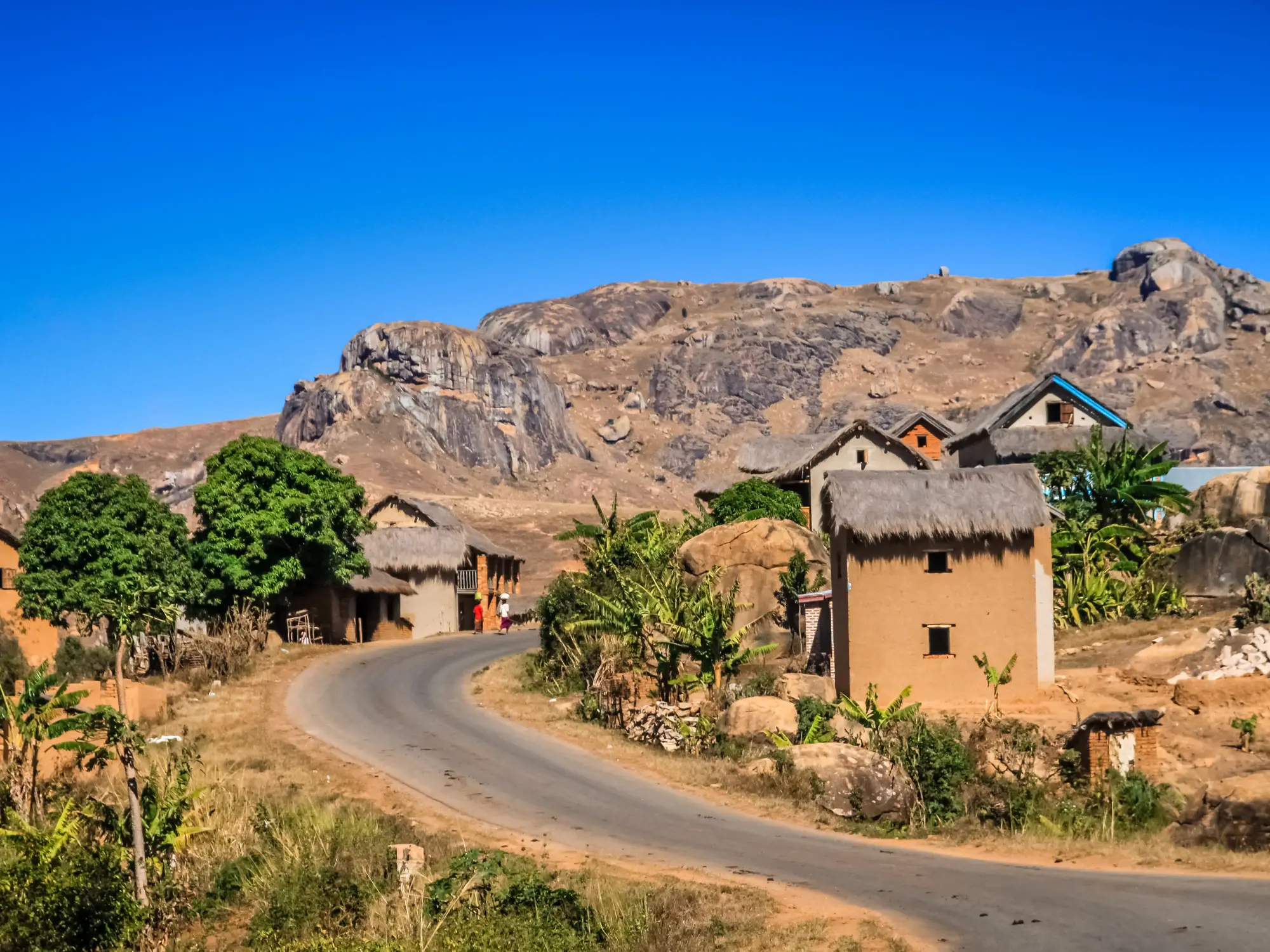
Spending time in a village gives a real sense of daily life: farming, fishing, family and community. Depending on your route, we can include meetings with local communities.
Markets
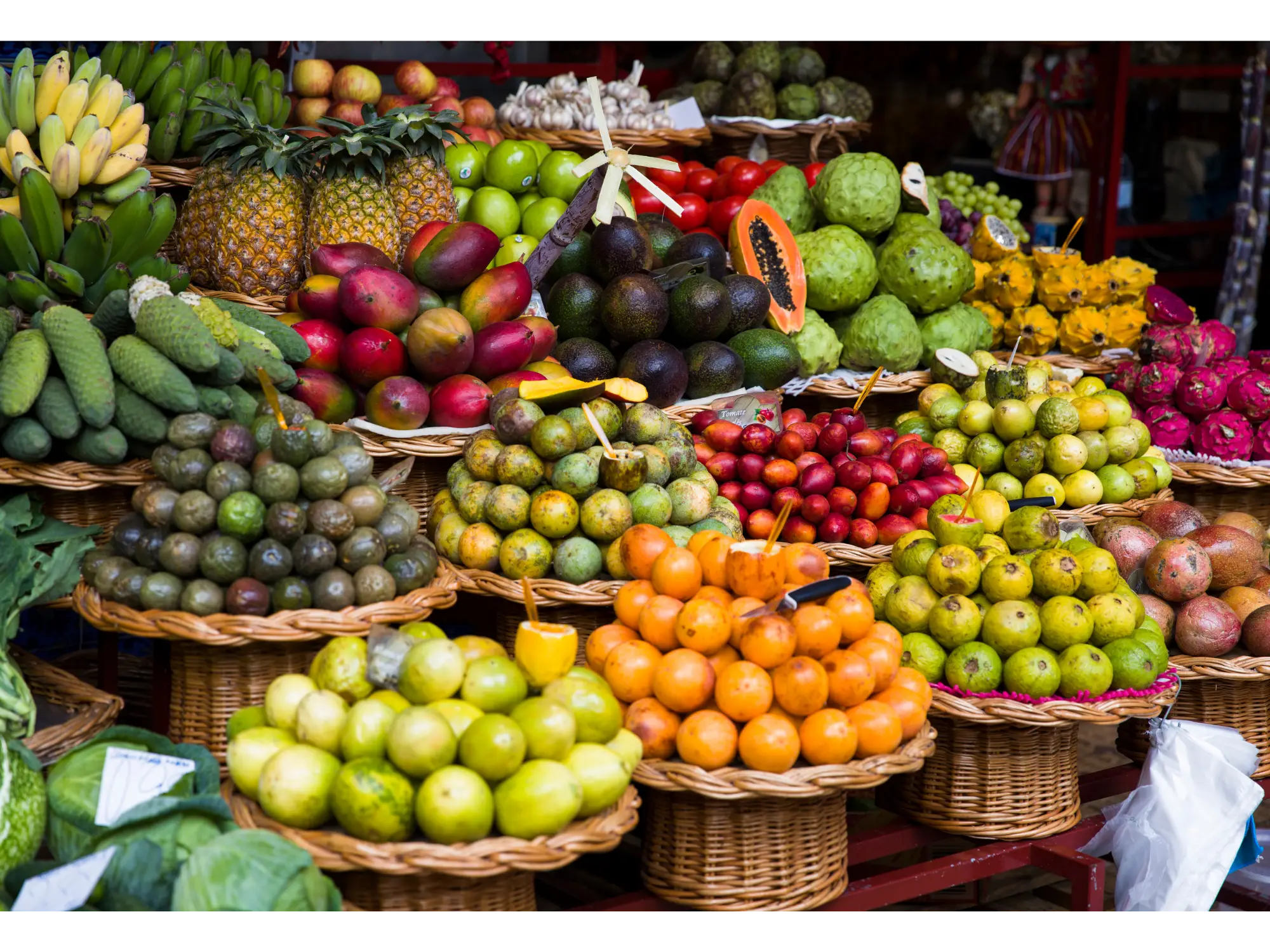
A market is the heart of local life. Colours, produce, voices: it is one of the best ways to get a feel for a place.
Food
Rice is at the centre of every meal, often served with zebu, vegetables and local sauces. Tasting the local cuisine is part of the journey.
Traditions and Beliefs
Respect for ancestors plays an important role in Malagasy life, along with fady, local taboos that vary from one place to another. Your guide helps you understand them and avoid awkward moments.
Crafts and Music
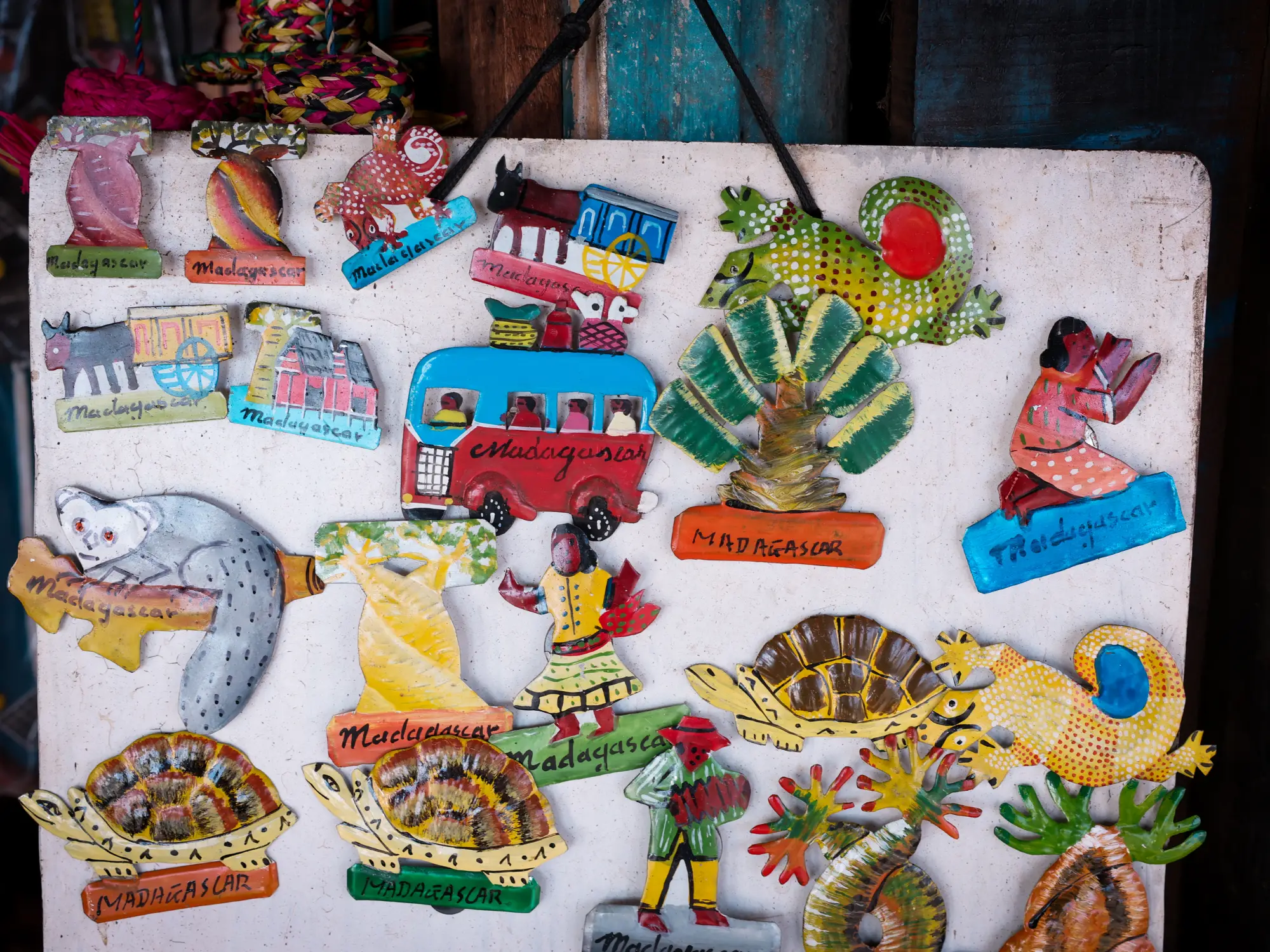
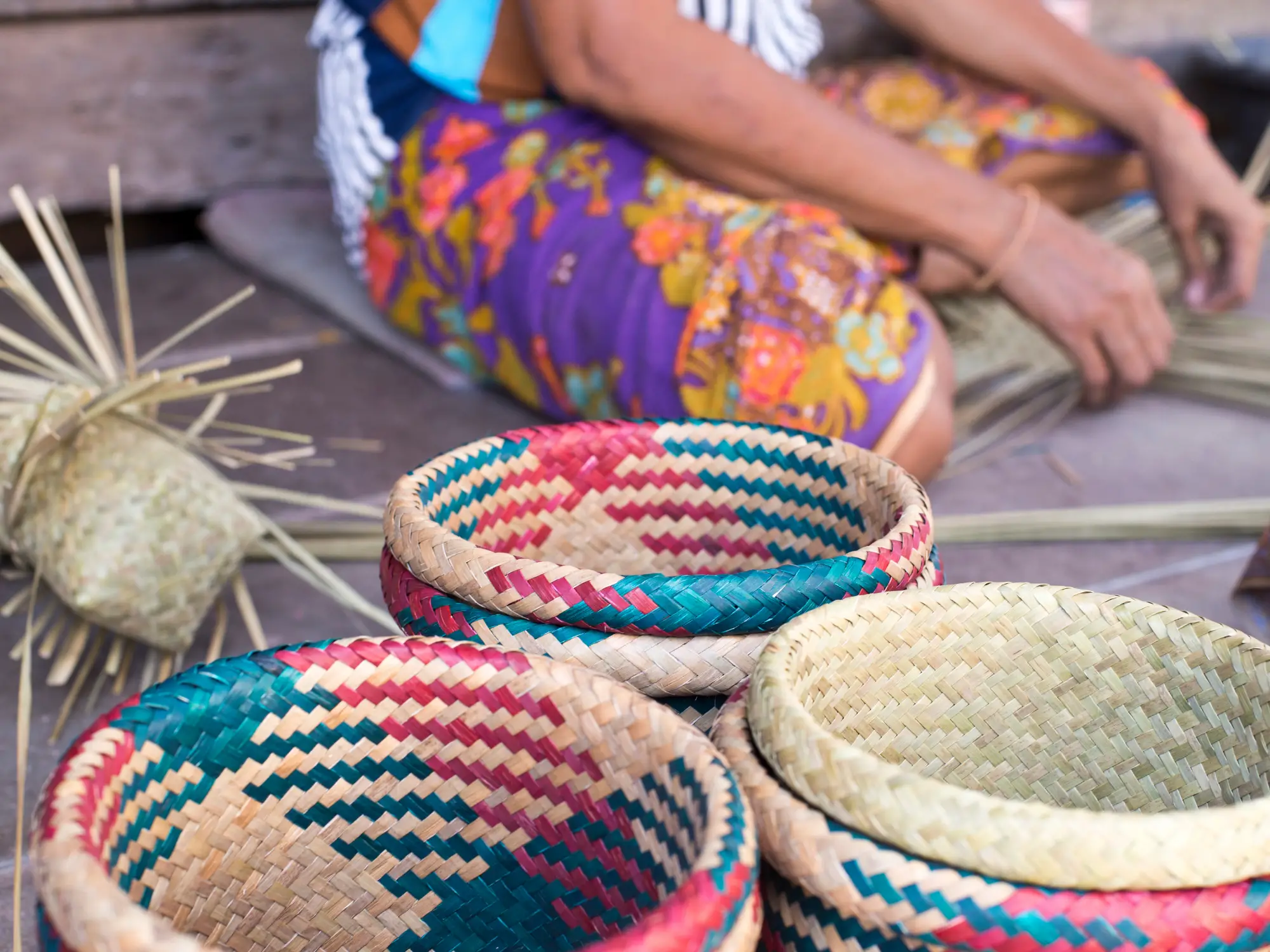
Traditional crafts and music, such as the valiha, a bamboo zither, are a window into Malagasy creativity.
History
From local kingdoms to the colonial era, Madagascar’s past can be felt in its towns and landscapes, including the French settlement history of the south-east.
Where to Discover Culture and History in Madagascar
Each region has its own peoples and story. Here are the places we work in, which we can combine with your other interests.
Fort-Dauphin and the Anosy Region
A coastal town with a 17th-century French past and a strong local identity. As a local agency, we know this region from the inside.
Ranomafana and the Tanala Communities
The highlands around Ranomafana are home to the Tanala, whose name means “people of the forest”.
Masoala and the North-East Coast
A coastline of fishing communities and tropical landscapes, shaped by the Betsimisaraka.
Palmarium and the Pangalanes Lakes
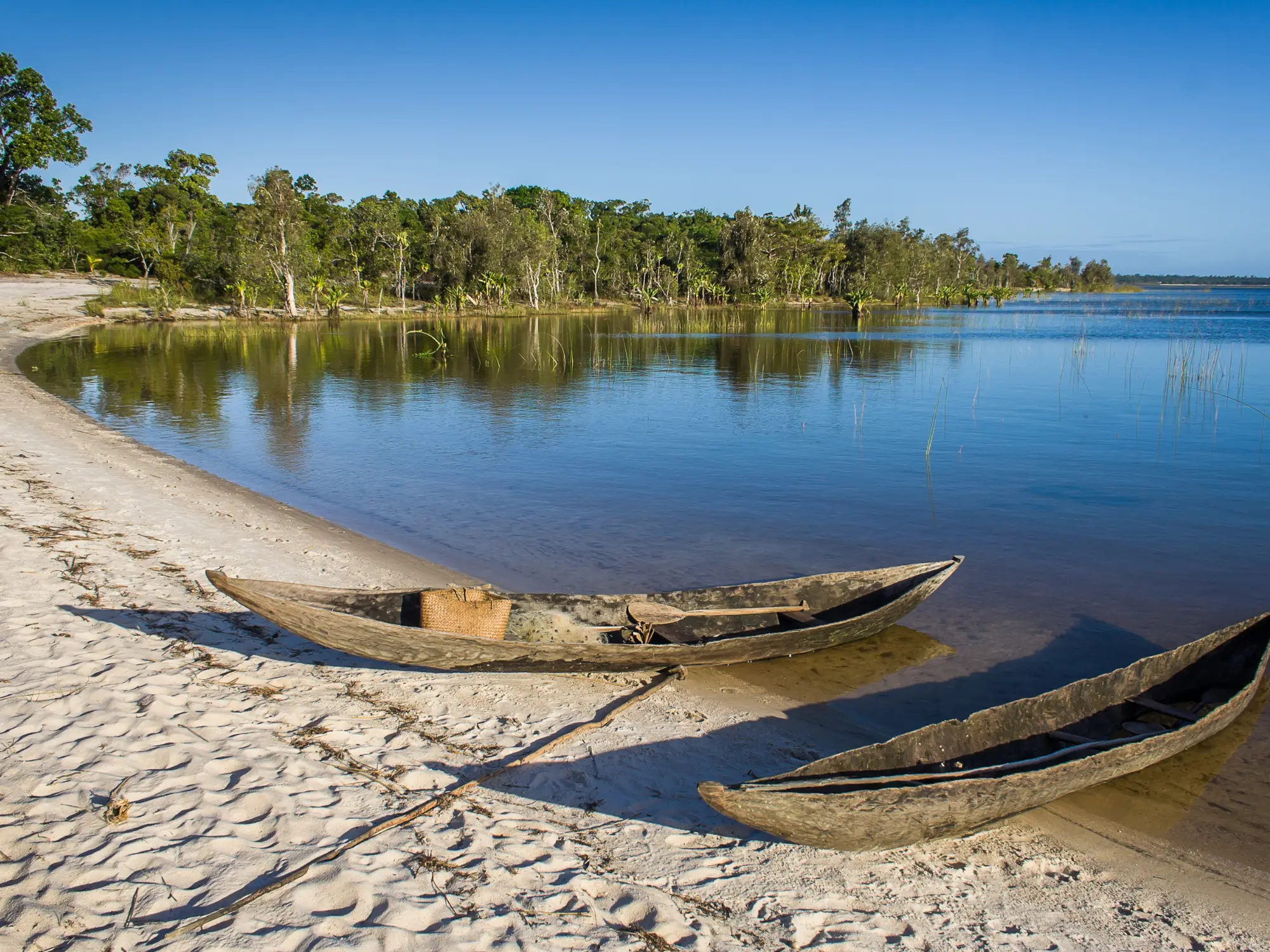
Lakeside villages and daily life along the water, on the eastern coast.
Andasibe-Mantadia and Its Surrounding Villages
Villages and local associations that help protect the forest.
Kirindy and Morondava: The West Coast
Sakalava heritage and Vezo fishing life on the west coast, with the baobabs nearby.
Meeting Local Communities Respectfully
Good cultural travel is built on respect. We encourage:
- Asking before taking photos of people.
- Following your guide’s advice on local customs and fady.
- Dressing modestly in villages and at sacred places.
- Choosing experiences that benefit communities, so tourism supports those who welcome you.
Our local guides act as a bridge between you and the people you meet, translating both the language and the customs.
A Private Cultural Tour, Designed Around You
Every journey is created with you:
- Your interests: history, daily life, food, crafts or all of them.
- Your pace: time to talk, to taste and to look, with no group to follow.
- Your mix: culture can be combined with nature, wildlife and the beach.
When to Go
Culture can be enjoyed all year round. The dry season (roughly April to October) is generally more comfortable for travelling and visiting. Some ceremonies and festivals follow local calendars and cannot be guaranteed, so we advise you on what is possible for your dates.
Combine Cultural Tours with Other Experiences
A cultural tour pairs easily with:
- Wildlife & Lemur Tours to add lemurs and wildlife
- Family Tours for a journey adapted to children
- Hiking & Trekking Tours to explore the landscapes on foot
- Beach Holidays to finish with a few days of rest
Frequently Asked Questions
What languages are spoken in Madagascar?
Malagasy and French are the official languages. English is less common outside tourism, which is why a local guide makes a real difference.
What is a fady?
A fady is a local taboo or custom that varies from one place or community to another. Your guide will explain the ones that matter during your trip.
Can I take photos of local people?
Always ask first. Your guide will help you do so respectfully.
Can we visit villages?
Depending on your route and the region, yes. We always choose experiences that are respectful and benefit local communities.
Can I attend a ceremony or festival?
Some events depend on local calendars and cannot be guaranteed. We tell you what is possible for your dates.
How do I request a quote?
Tell us what you have in mind using the form, and we will reply with a personalised proposal, with no obligation.
Ready to Discover Madagascar’s Culture and History?
Tell us what you would like to understand and experience, and we will build the journey around you.